Editorial · 12 April 2026 · 4 min read
The Art of the Monogram
A short, quiet history of the monogram — from initialled handkerchiefs to hand-embroidered silk.
There is something quietly powerful about an initial. Not a logo, not a slogan — a single letter, hand-set into something soft. It is the oldest form of luxury, and the most personal.
The monogram, in its earliest form, was a coin. Greek artisans in the sixth century BC pressed a sovereign's initials into precious metal to mark provenance — a hand on the shoulder of every transaction. By the time medieval European royalty began stitching their cyphers onto linen, the monogram had become something more: a quiet act of ownership, a private signature in cloth.
From household to handkerchief
For most of the last four centuries, monogramming was the preserve of households with linen trousseaus deep enough to need labelling. A bride's initials, stitched onto every sheet, every napkin, every nightgown, were both inventory and declaration: this is mine, this is ours, this is forever.
The best monograms aren't signatures of wealth — they're signatures of intention.
The Victorians made the monogram public; the Belle Époque made it decorative; mid-century French houses made it commercial. Somewhere between Schiaparelli's embroidered initials and a fast-fashion print of someone else's logo, the monogram lost the plot.
A return to quiet
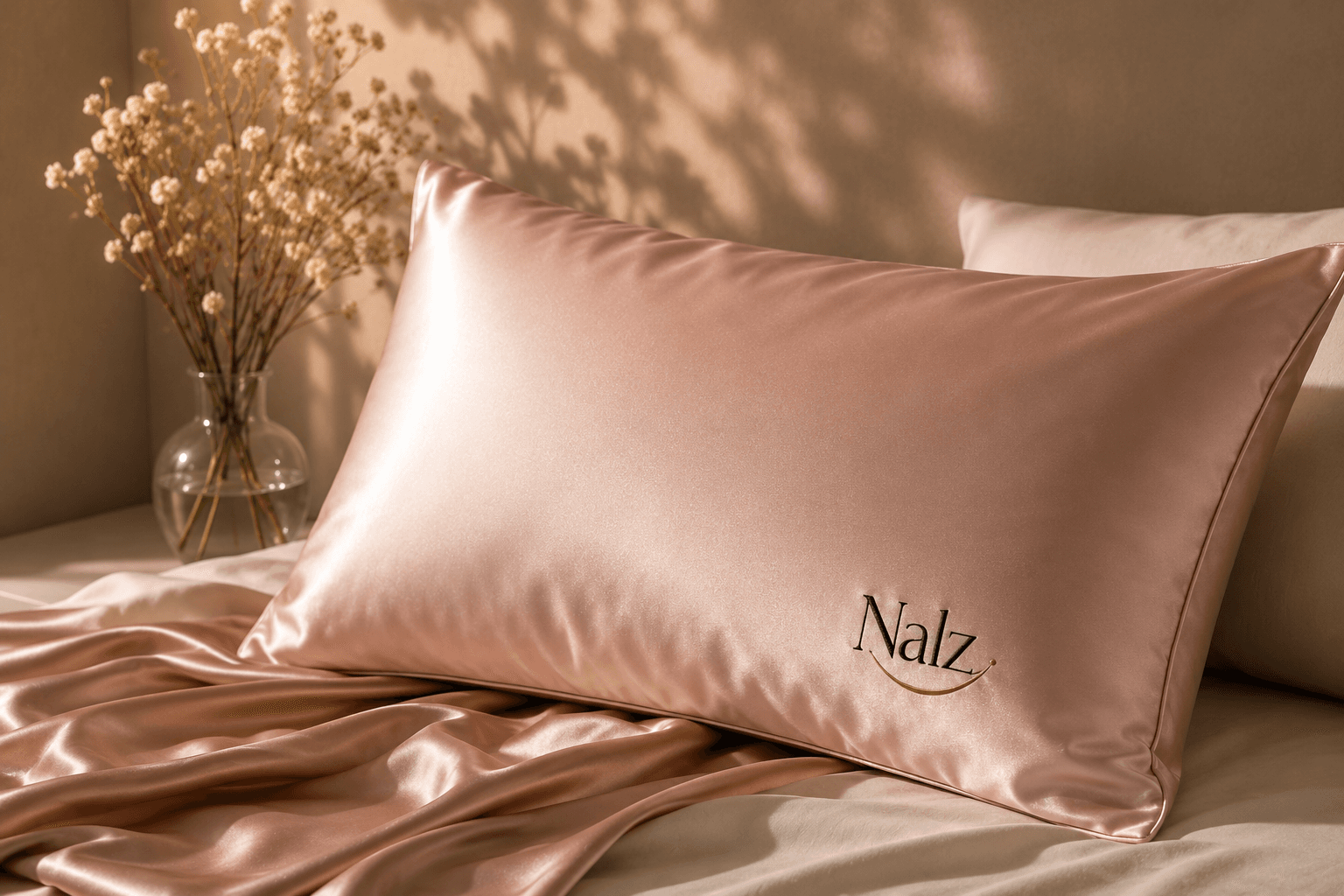
What we are interested in at Nalz is the older tradition. The handkerchief in your grandmother's drawer. The monogrammed pillowcase that has outlasted three relationships and one house move. The initials a bride asks for on the morning of her wedding, in champagne thread, on the inside of a silk robe.
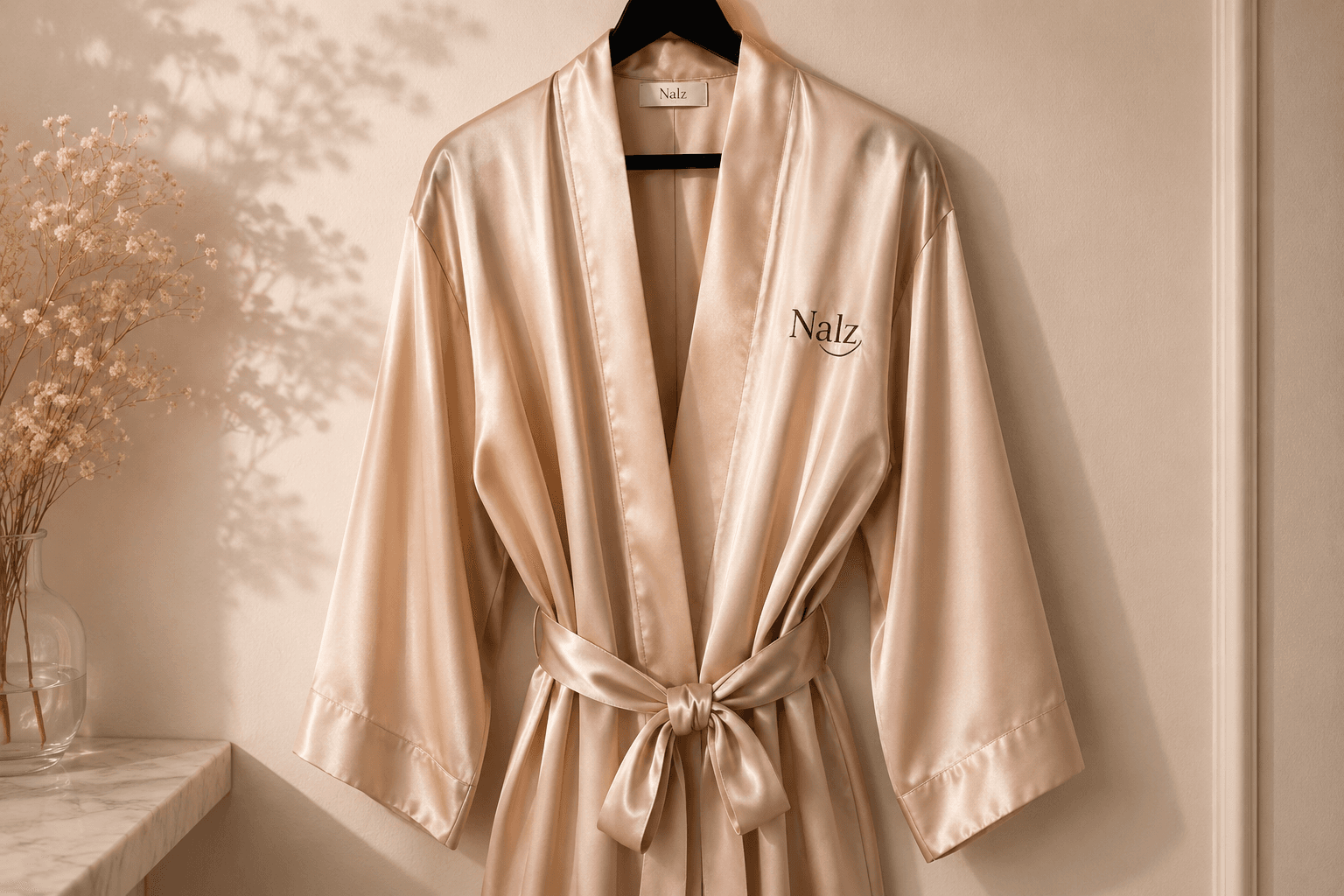
Every Nalz piece can carry a monogram. We embroider by hand in our atelier in Johannesburg — three fonts, four thread colours, three placements. Two characters is plenty. Less, often, is more.
A monogram is not a logo. It is the smallest possible expression of "this belongs to someone who pays attention." That, we think, is the quietest kind of luxury.
Written by
The Nalz Editors
Studio · Johannesburg